The best of Play for Today – from the seminal to forgotten gems
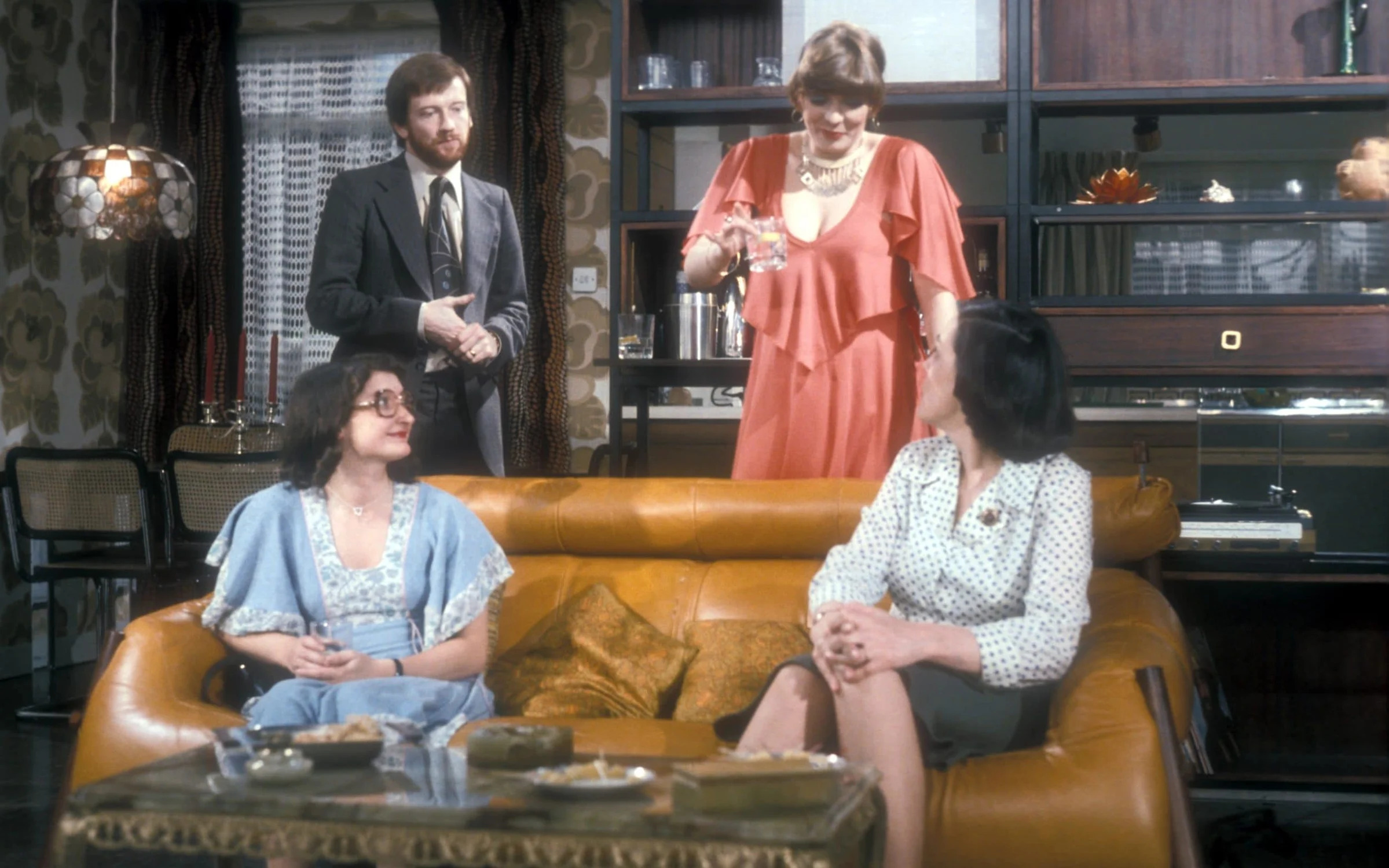
At a time when it seems as if original one-off drama on British television is all but dead, three cheers to Channel 5 for having the vision and courage to resurrect the Play for Today strand. Between 1970 and 1984, the BBC produced more than 300 individual television plays, which ranged from adaptations of high-profile plays and novels to original, authored dramas by writers of the calibre of Dennis Potter, Alan Clarke, Mike Leigh and many more. (Men, inevitably, dominated the commissioning structure: it was of its time.)
Now, Channel 5 have announced four new individual films that will feature leading actors including Nigel Havers, Alan Davies, Sue Johnston, Nikki Amuka-Bird and Tracy-Ann Oberman, who will appear in work from hitherto little-known or first-time writers and directors. All of them will air on the channel later this year.
The resurrection of the Play for Today strand is a welcome reminder just how many consequential and important films were made. So which can you watch, and which are worth watching? Here’s 10 of the best.
The Hallelujah Handshake (1970)
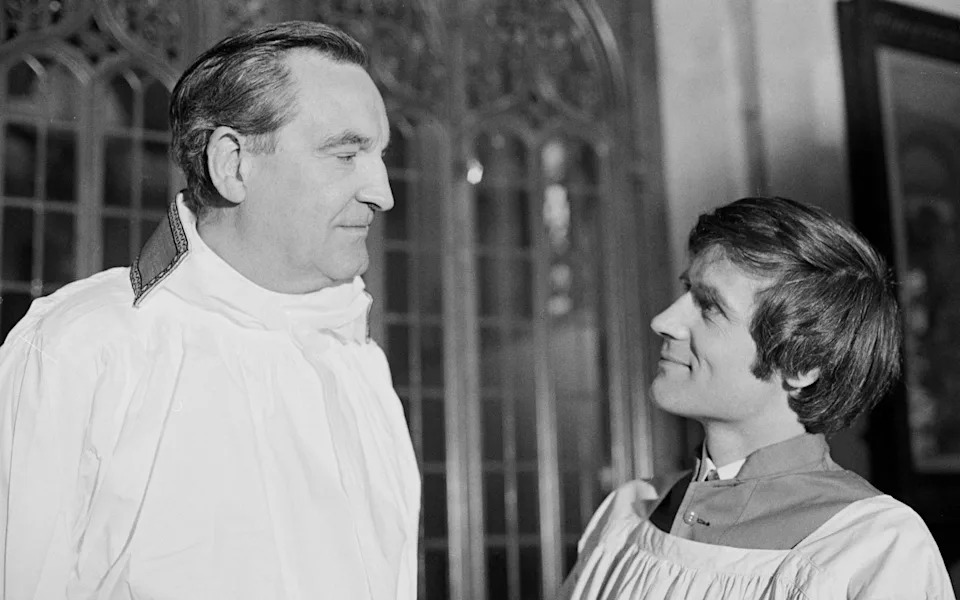 John Phillips as the Anglican Vicar and Tony Calvin as Henry in The Hallelujah Handshake, an examination of faith and self-deception - BBC
The director Alan Clarke was one of the mainstays of the Play for Today series, and this is one of his lighter entries. It follows Tony Calvin’s pathological liar and fantasist who finds a place for himself in that most elevated of institutions, the Church of England. Working from a script by regular Play for Today screenwriter Colin Welland, who would later go on to win an Oscar for Chariots of Fire, The Hallelujah Handshake asks big questions about faith and self-deception. It is said of Calvin’s character David Williams that “It’s as if he’s in constant chaos, reaching out for outstretched hands that just crumble in his grasp.” Whether Williams is actively bad or simply a lonely, misguided figure is the crux of this fascinating, thoughtful drama.
AdvertisementAdvertisement#_R_18tmab8lb2mav5ubsddbH1_ iframe AdvertisementAdvertisement#_R_28tmab8lb2mav5ubsddbH1_ iframeAvailable on the Alan Clarke at the BBC boxed set (volume 1)
Edna, the Inebriate Woman (1971)
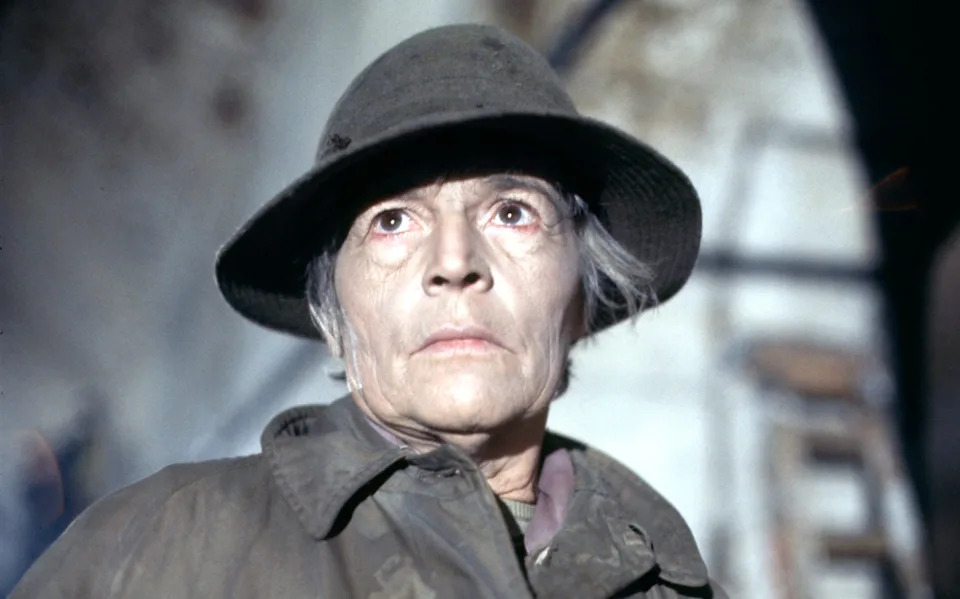 Edna, the Inebriate Woman – featuring Patricia Hayes – was an inspiration in the creation of Withnail and I - BBC
Although the title of Jeremy Sandford’s show might have led audiences to expect a mannered comedy in the Joe Orton vein, this early Play for Today film was in fact an uncompromising look at alcoholism. The central character, Patricia Hayes’ 60-year-old Edna, is a homeless woman who wanders dejectedly from hostel to prison to psychiatric ward, seemingly unable to control her drinking or her increasingly chaotic lifestyle. The show deservedly won Baftas for Best Actress and Best Drama. Fans of Withnail and I might be intrigued to see the model for Withnail, the actor Vivian MacKerrell, in one of his relatively few acting roles as, fittingly enough, a tramp.
Available to buy on Amazon Prime Video
Home (1972)
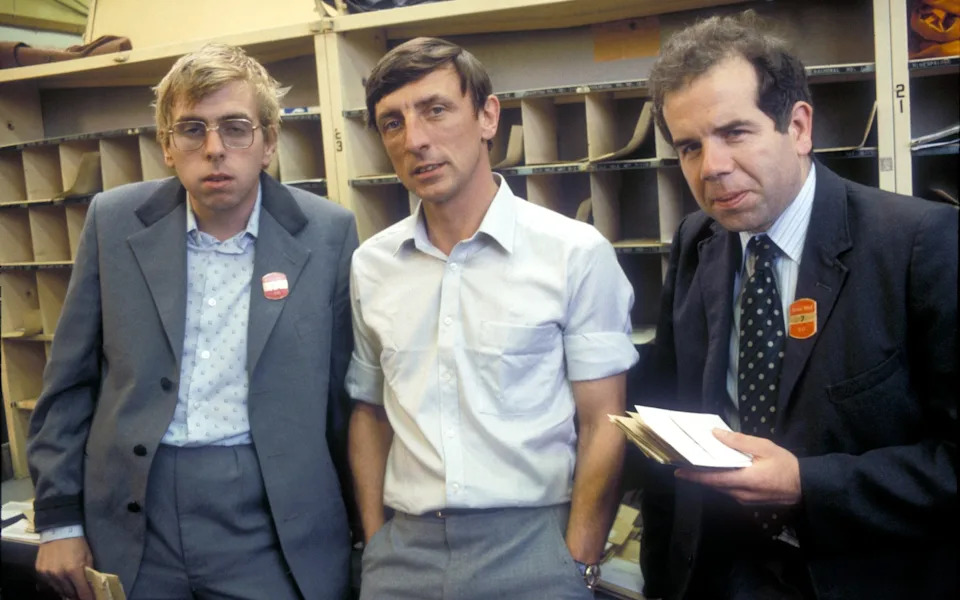 Timothy Spall, Eric Richard and Tim Barker in Home, a 1972 satire on upper-middle-class aspirations - BBC
Play for Today may have had something of a reputation for being gritty and often socially conscious in its programming, which is why this relatively early film, starring the great theatrical knights John Gielgud and Ralph Richardson, stands out. It is adapted from David Storey’s 1970 play and at first seems to be a light-hearted satire on upper-middle-class aspirations and interplay. As the film continues, however, it becomes clear that the two characters are residents in a mental health hospital – or, in the parlance of the day, an asylum – and that all of their delusions and fantastical ideas are the result of illness. Or, of course, simply a reaction to society itself. For those too young to see the play when first performed, this is as close as one can get to seeing Gielgud and Richardson on stage.
AdvertisementAdvertisement#_R_1a1mab8lb2mav5ubsddbH1_ iframe AdvertisementAdvertisement#_R_2a1mab8lb2mav5ubsddbH1_ iframeAvailable on DVD
Sunset Across the Bay (1975)
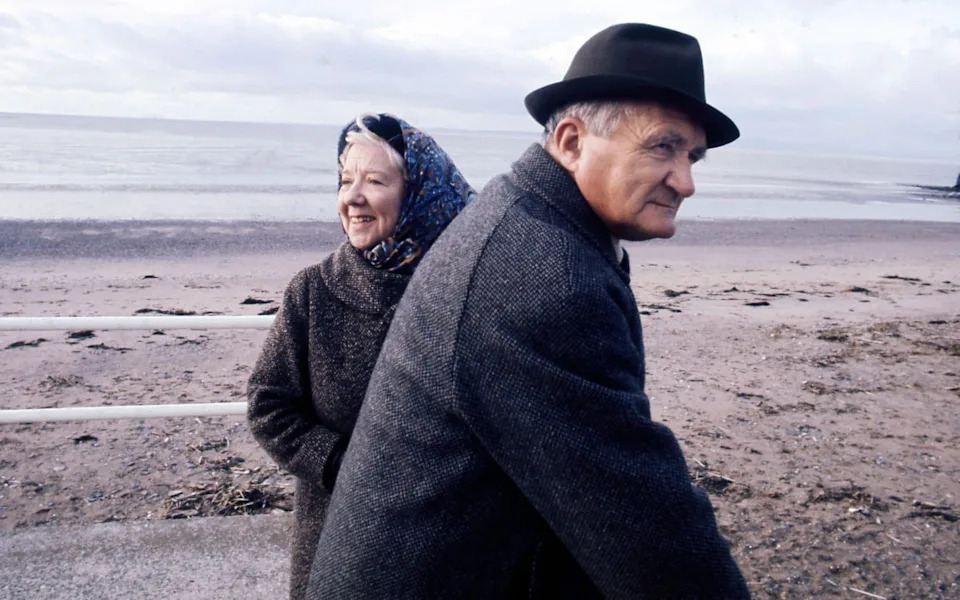 Gabrielle Daye and Harry Markham played an elderly retired couple who moved from inner-city Leeds to Morecambe in Alan Bennett’s Sunset Across the Bay - BBC
Alan Bennett has brought his beautifully observed, mournful observations about the human condition to all media, but television feels like his natural home. This drama (one of two entries written by Bennett for the series) is about the existential angst that greets an ordinary couple when they move out of inner-city Leeds to enjoy their retirement in Morecambe. It is one of several plays by Bennett which reflects on how we, as a society, care for the elderly, and it’s topped by a riveting performance from Harry Markham as the fish-out-of-water Dad, sad to find that he can no longer buy his local Leeds newspaper.
Available to buy on Amazon Prime Video
Abigail’s Party (1977)
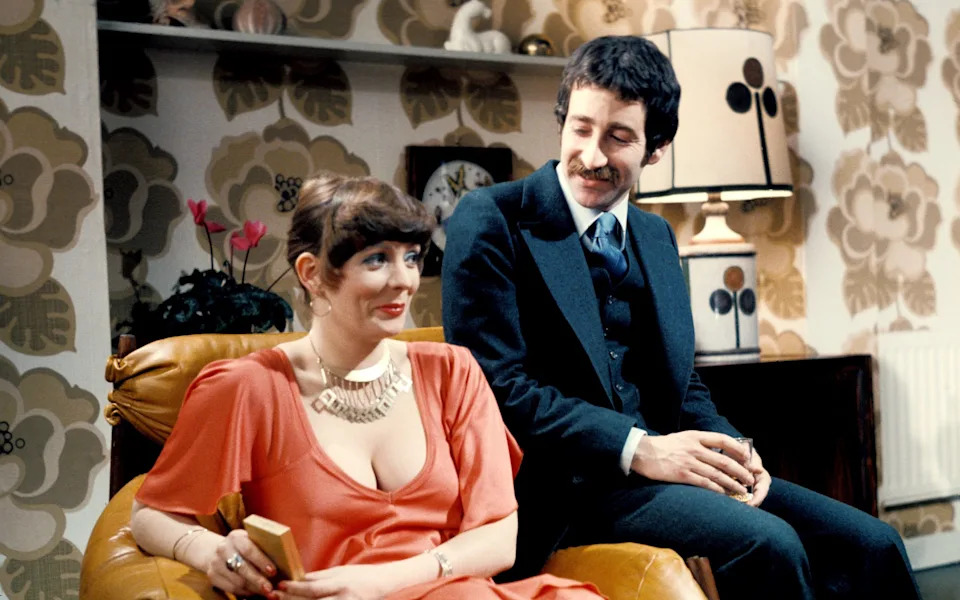 Abigail’s Party provided hilarious satire on British conceptions of class (pictured: Tim Stern and Alison Steadman) - BBC
Perhaps the single greatest Play For Today – and certainly the best known – is Mike Leigh’s coruscating, hilarious satire on lower-middle-class mores. It began life as a play at the Hampstead Theatre in April 1977, and was so successful there that it made a swift and welcome transfer to screen in November that year. Leigh commented that “The first thing I’d say is, this is not a film. And not only that: for a film-maker, it’s a work of deep embarrassment and pain.” In its depiction of Alison Steadman’s Beverley, the self-described “quondam beautician”, and the way in which she attempts to hold a wholly embarrassing and doomed drinks party for her neighbours, chilled red wine and all, it was a merciless yet still compassionate account of British class, and the folly of social aspirations.
AdvertisementAdvertisement#_R_1b5mab8lb2mav5ubsddbH1_ iframe AdvertisementAdvertisement#_R_2b5mab8lb2mav5ubsddbH1_ iframeAvailable to buy on YouTube or Amazon Prime Video
Scum (1977)
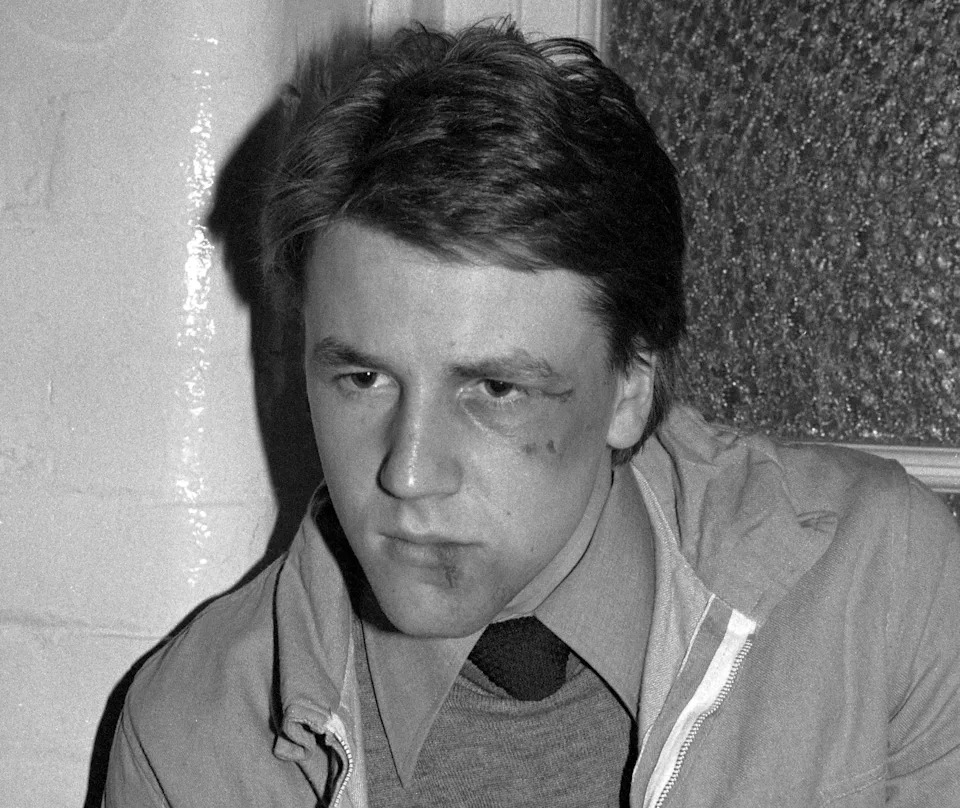 Ray Winstone earned a career-defining early role as Carlin in 1977’s Scum - BBC
One of the most famous (and controversial) entries in the series, this hard-hitting, often difficult to watch drama about life in a British borstal, as scripted by Roy Minton, is considered one of his masterpieces. It was, however, so contentious that it was not screened on the BBC until 1991, allowing an inferior cinema version, made in 1979, to emerge in its stead. However, the BBC original, which dials down the violence and brutality in favour of chilling suggestion and implication, remains more powerful. It also gives the great Ray Winstone a career-defining early role as Carlin, a young prisoner with ambitions to become the “daddy” or most feared inmate.
Available on the Alan Clarke at the BBC boxed set (volume 1)
The Spongers (1978)
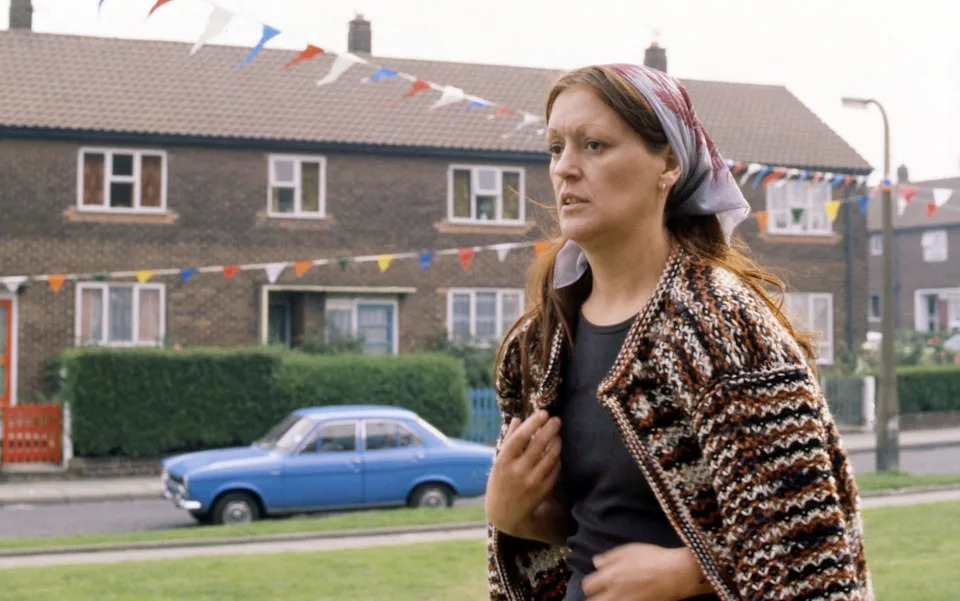 Christine Hargreaves as Pauline depicted a struggling single mother coping with welfare cuts and looking after a child with Down’s syndrome - Dave Edwards/BBC
Rarely did Play for Today punch as hard as this. The title of Jim Clark’s drama may sound derogatory about those on benefits, but clearly it is a provocation. Pauline, a single mother with several children, struggles to deal with welfare cuts and looking after one of her daughters, who has Down’s syndrome. This is not some tub-thumping socialist manifesto, but an urgent and at times deeply disturbing play which shows how the vulnerable can fall into a black hole all too easily, and even the well-intentioned are unable to catch them.
AdvertisementAdvertisement#_R_1c9mab8lb2mav5ubsddbH1_ iframe AdvertisementAdvertisement#_R_2c9mab8lb2mav5ubsddbH1_ iframeAvailable on the Play for Today boxed set (volume 3)
Blue Remembered Hills (1979)
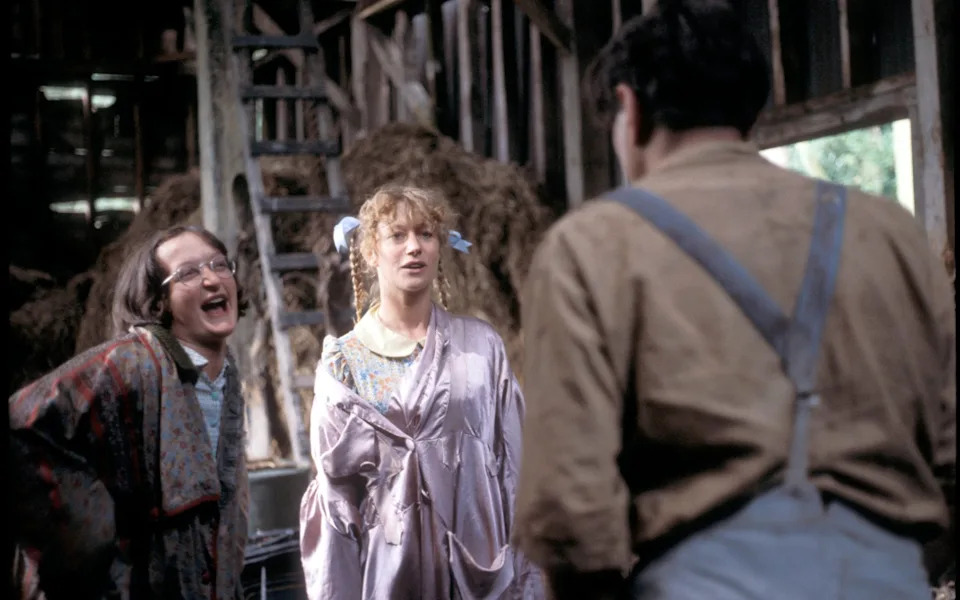 All the children in Blue Remembered Hills were played by adult actors – among them Janine Duvitski and Helen Mirren (pictured) - BBC
Dennis Potter was arguably the most important voice in British television drama throughout the 1960s, 1970s and 1980s, and he frequently contributed to the Play for Today strand. His work for the format alternated between highly “authored” shows and more conventional dramas. This is one of the former, a haunting and offbeat examination of an apparently idyllic childhood in the Forest of Dean that is given grim resonance firstly by all the seven-year-old children being played by adult actors (including Helen Mirren and Colin Welland) and secondly by one of the characters dying violently at the end, shaking the protagonists out of their prelapsarian bliss. Potter took his title from an AE Housman poem, and recites it himself at the end, making quite clear that this “land of lost content” is one that cannot be recaptured.
Available to buy on Amazon Prime Video
The Black Stuff (1980)
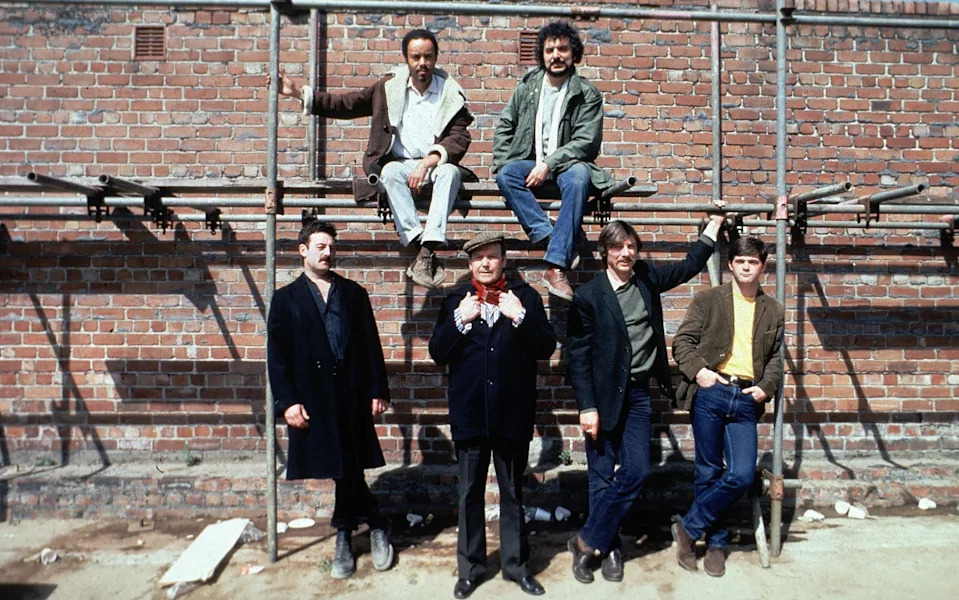 The Boys From The Black Stuff (From top left): Alan Igbon, Michael Angelis, Bernard Hill, Peter Kerrigan, Tom Georgson and Gary Bleasdale - BBC
Alan Bleasdale’s 1982 social realist series Boys From The Black Stuff remains one of the most loved British shows of the 1980s, not least due to the late Bernard Hill’s desperate Yosser Hughes, complete with his catchphrase “Gizza [Give us a] job”. It began as a one-off film two years before, and focused on a group of Liverpudlian tarmac layers who were (temporarily) gainfully employed on a job in the North of England. Bleasdale excels at teasing out the insecurity and unhappiness that is found underneath the working-class bravado of his jobless boys. The resulting show was magnificent, seminal stuff, but the earlier film is every bit as good, too.
AdvertisementAdvertisement#_R_1ddmab8lb2mav5ubsddbH1_ iframe AdvertisementAdvertisement#_R_2ddmab8lb2mav5ubsddbH1_ iframeAvailable to buy on Amazon Prime Video
The Billy Plays (1982–1984)
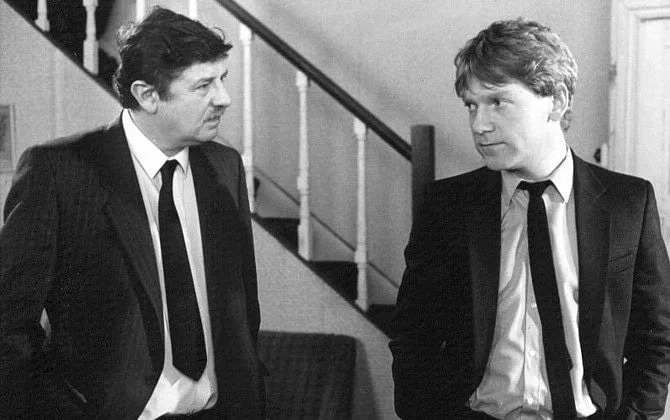 The Billy Plays series, featuring the above-pictured James Ellis and Kenneth Branagh, explored life in Northern Ireland during The Troubles - BBC
Long before Kenneth Branagh became a great Shakespearean, and a knight of the realm, he began his screen career with three Play for Today films written by the Belfast playwright Graham Reid. The plays, all set in Northern Ireland, explored the Troubles but in an opaque fashion, as they concentrated on the relationship between Branagh’s character Billy and his family, which is significantly strained in the last film, A Coming to Terms for Billy, when his father Norman returns to Belfast with his new English partner. Branagh has given bigger, gutsier performances since but he’s seldom been so subtle, and so effective, as he was here. And he’s ably matched by Brid Brennan as his subdued sister Lorna, charged with trying to keep the family together.
Watch: available to buy on Amazon Prime Video
Broaden your horizons with award-winning British journalism. Try The Telegraph free for 1 month with unlimited access to our award-winning website, exclusive app, money-saving offers and more.